What would your day look like if the beach were your backyard and a boat ride fit between breakfast and lunch? If you are weighing a move or a second home in Orange Beach, you are likely picturing white sand, calm bays, and easy seafood dinners. You also want a clear view of daily routines, seasonal rhythms, and the practical side of owning on the Gulf. This guide walks you through beaches, boating, amenities, seasons, and ownership essentials so you can plan with confidence. Let’s dive in.
Beach life and easy access
The beaches in Orange Beach feature fine, white sand and gentle slopes that make wading and swimming comfortable most days. You will find a mix of municipal public access points with parking and boardwalks, as well as private access from many condo communities. In summer, especially on holiday weekends, popular access points fill up quickly and parking is tighter, so plan your arrival early.
Many public access areas offer seasonal lifeguard coverage and restrooms, though amenities vary by location. Chair and umbrella services are common in peak months. Stay aware of daily surf and flag conditions, and pack sun protection for long beach days.
Water quality is generally suitable for swimming, but coastal conditions can change at times. Periodic events like red tide or localized bacterial advisories may occur along the Gulf and are monitored by state and federal agencies. Beach erosion and dune restoration work also take place periodically. If you visit during turtle nesting season, you may notice protected areas and signage along the dunes.
Boating culture and access
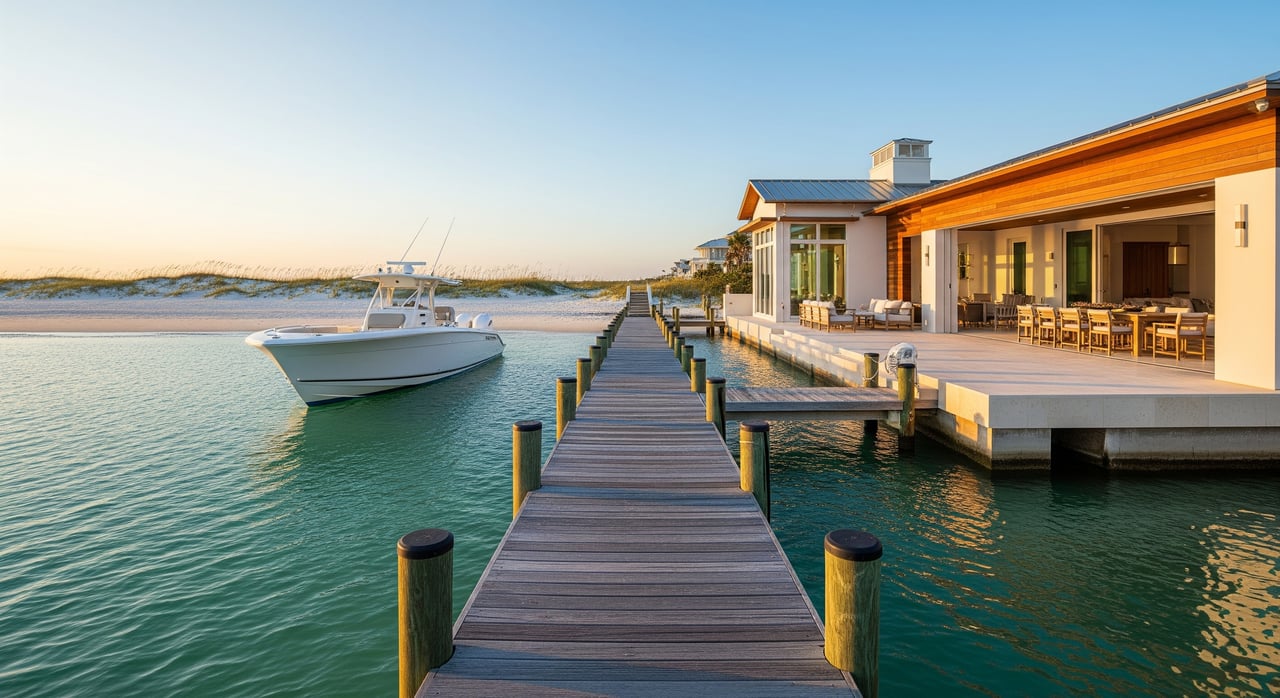
Boating is woven into daily life here. Calm bays and estuaries set the stage for paddleboarding and kayaking, while Perdido Bay and nearby waterways support inshore fishing and cruising. Offshore anglers use local passes, including Perdido Pass, to reach deep-sea waters for species like red snapper when seasons allow.
Marinas, launches, and services
You will find full-service marinas with fuel, maintenance, and transient slips, as well as public boat launches spread around the area. Many condo communities include private slips or have access to nearby docking, but availability can be seasonal. Summer weekends are busy, so transient space may be limited unless reserved in advance.
Marinas also support responsible boating with pump-out stations and guidance on fueling and waste disposal rules. Expect posted regulations in sensitive estuaries and wildlife areas.
Navigation and safety
Tidal currents at the passes, shifting shoals, and channel markers are part of local navigation. A VHF radio, proper safety gear, and attention to weather forecasts are standard practice. Have a storm plan during hurricane season and avoid unnecessary travel in strong onshore winds or low-visibility conditions.
Dining, shopping, and entertainment
Seafood is the star across Orange Beach, from casual beachfront spots to higher-end waterfront restaurants. Expect menus featuring shrimp, oysters, grouper, and red snapper, along with family-friendly options and live music during peak months. Seasonal festivals and concert venues add to the mix, especially in spring and summer.
For daily errands, you have local grocery stores and essentials nearby. Larger shopping centers and specialty retailers sit a short drive away in Gulf Shores, Foley, and Pensacola. Many residents combine beach time with quick runs to these areas for big-box shopping or specialty appointments.
Healthcare and everyday services
You will find urgent care and primary care options locally. For hospital and specialty services, most residents look to nearby cities such as Foley, Mobile, or Pensacola. During peak season or severe weather, travel times can increase, so consider proximity to medical services when choosing a property, especially if you plan frequent visits from family or guests.
Getting around and travel
Local driving is straightforward, but beach roads like Perdido Beach Boulevard can slow down with seasonal traffic and special events. The main regional routes connect to I-10, making day trips or long drives manageable. Ride-sharing and taxis operate more consistently in peak months.
For air travel, major commercial airports in Pensacola and Mobile serve Orange Beach, generally within an hour or so by car depending on traffic and exact starting point. If you plan frequent trips, factor airport access and seasonal congestion into your travel schedule.
Internet, utilities, and connectivity
Most neighborhoods and condo communities have standard utilities and broadband service. Coverage on open water and in remote marshy areas can be spotty. If you are eyeing a more secluded property, verify cellular and internet plans with providers before you commit.
Seasons: quiet weekdays and busy summers
Orange Beach follows a clear rhythm. Peak season runs from late spring through summer, with larger crowds, live events, and full restaurant hours. The shoulder seasons in spring and fall often offer warm weather and less congestion. Late fall through early spring weekdays are quieter, with a more residential feel and some businesses shifting to off-peak hours.
The climate is humid subtropical, so you can expect hot, humid summers and mild winters. Afternoon thunderstorms are common in warm months. Beach and boating conditions are often excellent, but always keep an eye on daily weather.
Weather risks and preparedness
Hurricane season runs from June 1 to November 30. Coastal communities plan around this reality with evacuation routes, storm preparation guides, and building standards. If you own property here, you will likely develop a checklist that includes securing outdoor furniture, testing generators, installing shutters where required, and reviewing insurance deductibles.
Ownership basics: insurance and costs
Many coastal homes fall within FEMA flood zones. If you take out a federally backed mortgage on a property in a mapped flood zone, flood insurance is typically required. Premiums depend on elevation, mitigation features, and flood map designations.
Separate windstorm or hurricane coverage is common in coastal counties and can represent a significant part of your annual costs. Budget for higher insurance than inland markets, and lean on local expertise to understand how building materials, elevation, and mitigation upgrades can influence coverage and premiums.
Beyond insurance, expect routine coastal maintenance. Salt air can accelerate corrosion. HVAC systems run hard in humid months. Exterior paint, fasteners, and roofing need regular attention. Dune or storm repairs may be part of long-term stewardship, especially in beachfront settings.
Short-term rentals and local rules
Many properties in Orange Beach operate as short-term rentals. City rules typically cover business licensing, occupancy limits, inspections, and local lodging taxes. Regulations can change, so verify current municipal requirements before you buy or begin renting.
Condo and HOA rules also matter. Some associations limit rental periods, require on-site or approved management, or set additional fees that affect your net income. If you plan to rent, review association documents carefully and model your numbers with all fees included.
Choosing the right property type
Beachfront and near-beach condos
High-rise and mid-rise condo communities are common and often designed with vacation use in mind. Furnished units, on-site amenities, and established rental programs can simplify ownership. When comparing buildings, weigh HOA dues, reserve practices, hurricane mitigation, elevator service, pet rules, and historical assessments.
If rental income is part of your plan, look at unit layouts, balcony exposure, parking, and access to beach amenities. Inventory can be more active in shoulder seasons, while summer demand rises for rent-ready units.
Waterfront single-family homes
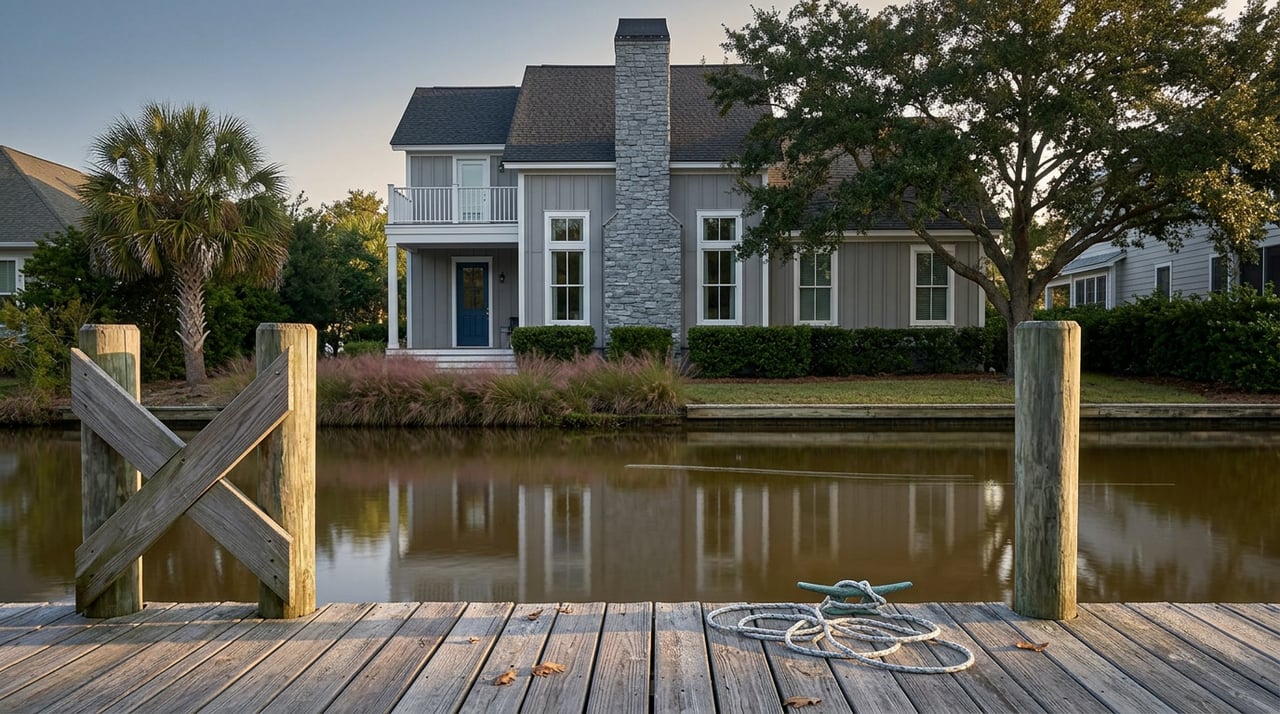
On the bays and canals, single-family homes offer private docks, lifts, and quick access to inshore fishing or cruising. Focus on elevation, flood zone, and shoreline protection. Seawalls, docks, and lifts require routine maintenance. If you are bringing a larger boat, double-check draft, bridge clearances, and slip dimensions.
Inland neighborhoods
A short drive from the beach, you may find quieter streets, larger lots, and potentially lower insurance costs. You will still be close to dining and shopping while avoiding peak beachfront traffic. Confirm broadband options and commute patterns if you plan to work from home.
Market tempo and timing
Coastal inventory often moves with the seasons. Furnished condos suited to vacation rentals can see strong demand near spring and early summer as buyers aim to capture peak rental weeks. Off-season can be a good time to negotiate on properties that are not actively generating rental income. For single-family homes, buyer activity can be steadier, but showing access may be easier when roads and beaches are less crowded.
If you are out of state, plan a scouting trip in both a busy weekend and a quieter weekday. That contrast helps you understand parking, noise, and traffic patterns around the exact buildings or streets you are considering.
What daily life feels like
On a typical weekday outside of peak season, you might walk a quiet stretch of beach, pick up fresh seafood, and get errands done with little traffic. During summer weekends, mornings are best for errands and beach time before midday crowds. Boat days require a game plan: fuel early, verify tides, and reserve slips or restaurant dockage when possible. Even small habits, like keeping a beach bag and cooler ready, make spontaneous afternoons easy.
Quick buyer checklist
- Confirm flood zone, elevation, and estimated flood and wind premiums.
- Review HOA or condo rules, rental restrictions, reserves, and recent assessments.
- Ask about storm protections like shutters, roof age, and window ratings.
- Verify slip availability or launch access if boating matters to you.
- Test cellular and internet service in the exact unit or home.
- Drive the route to grocery, medical care, and beaches during peak and off-peak hours.
How a local guide helps
If you are buying for lifestyle, a local agent can time showings to reveal how a community feels across seasons and days of the week. You can also get realistic insurance estimates and introductions to contractors for coastal maintenance.
If you are investing, you will want clear pro formas that account for HOA dues, utilities, management, taxes, and realistic occupancy. A local network helps you verify rental licensing steps and find reliable cleaning and maintenance teams that can handle quick turnarounds.
Ready to explore properties, compare neighborhoods, and plan your timeline? Reach out to Hunter Brown to schedule a consultation and see what fits your goals.
FAQs
How crowded are Orange Beach public beaches in summer?
- From late May through early September, expect crowded access points and tighter parking, especially on weekends and holidays. Arrive early or consider less busy access points on weekdays.
What should boaters know about local navigation in Orange Beach?
- Tidal flows at the passes, shoaling near inlets, and marked channels require attention. Carry proper safety gear, monitor VHF and weather, and plan around currents and winds.
Do most Orange Beach properties require flood insurance?
- Many coastal homes fall within FEMA flood zones. If you use a federally backed mortgage in a mapped zone, flood insurance is generally required and premiums vary by elevation and mitigation.
Are short-term rentals allowed in Orange Beach condos and homes?
- Many properties operate as short-term rentals, but city licensing, occupancy rules, and taxes apply. Condo and HOA documents may set additional restrictions, so verify before you buy.
What healthcare options are available near Orange Beach?
- Local urgent and primary care are available in town. For hospital and specialty services, residents typically use nearby cities such as Foley, Mobile, or Pensacola.
What is hurricane season like for homeowners in Orange Beach?
- Hurricane season runs June through November. Homeowners follow preparedness plans, maintain storm protections, and review insurance deductibles. Evacuation routes and local guidance are in place.