You love the idea of waking up to Gulf views, but you also want a home that is easy to own and rent. In Orange Beach, the choice between a true beachfront home and a nearby beach-access property can feel like a toss-up. Each option delivers a different lifestyle, cost profile, and rental story. In this guide, you will learn how they compare and how to pick the fit that matches your goals, budget, and risk tolerance. Let’s dive in.
Beachfront: what you get
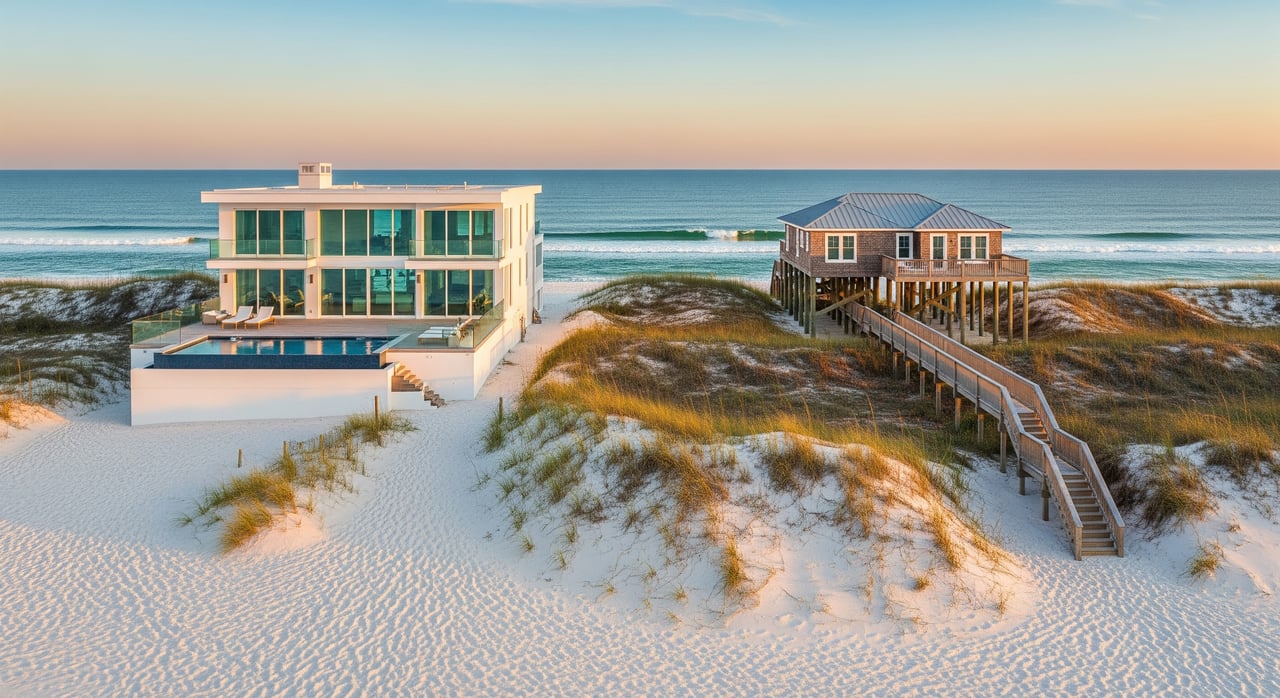
Beachfront means direct sand frontage and unobstructed Gulf views. You step off the deck and your toes hit the sand. That convenience is hard to beat for sunrise coffee, quick swims, and sunset walks.
You also get a front-row seat to beach activity. In peak season, expect more foot traffic and lively evenings along the shoreline. Many beachfront streets are close to restaurants and shops, though walkability varies by block.
Beach-access: what you get
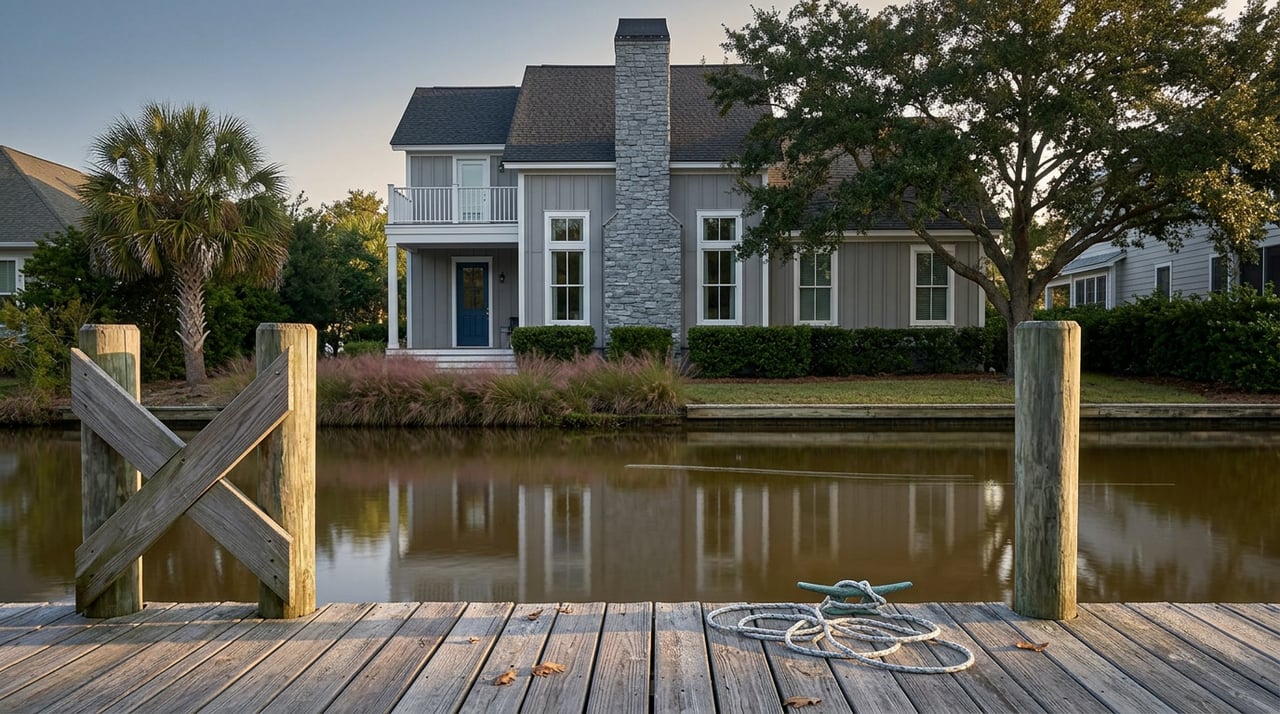
Beach-access homes sit off the sand but near a public access point. You may walk a few minutes or drive a short distance, depending on the street and access location. Views are limited or absent, though some homes sit just across a small road or canal.
You typically gain a quieter, more residential feel. Inland lots can offer a larger driveway, a garage, or a private backyard, which is useful for gear storage, pets, or hosting family and friends.
Lifestyle tradeoffs in Orange Beach
- Beachfront maximizes views and spontaneity. If you plan frequent personal use and daily beach time, this is the premium experience.
- Beach-access often feels calmer and local outside peak season. If you value space for cars, golf carts, boats, or a yard, inland streets can be a better everyday fit.
- Seasonal rhythms matter. Orange Beach is a high-season resort market with demand peaking from late spring through summer. That affects beach density, parking, and rental occupancy.
Maintenance and durability costs
Salt air is tough on coastal homes, especially right on the water. On the beachfront, metal fasteners, hinges, railing systems, and exterior finishes tend to degrade faster and require more frequent upkeep.
Elevated construction is common along the beach. Expect regular inspections of pilings, cross bracing, and under-house elements. Decking, windows, doors, and HVAC equipment face more wind and salt exposure, which can shorten useful life and increase replacement budgets.
Beach-access homes still face coastal weather, but the maintenance pressure is often lower than direct beachfront. Conventional landscaping is easier inland, while beachfront lots have dune protections and limits on alterations.
Flood, storm, and insurance
Flood zone and elevation drive both design and insurance costs on the coast. Beachfront parcels are more likely to fall within higher-risk FEMA zones such as V or VE, with stricter elevation and building requirements. Beach-access properties may sit in AE or even X zones, depending on elevation and distance from the shoreline.
- Check FEMA flood maps for each address and request an elevation certificate early in the process. The FEMA Flood Map Service Center is the official source for current maps. You can review community panels and zone designations at the FEMA Flood Map Service Center.
- Budget for both wind and flood coverage where required. The National Flood Insurance Program offers consumer guidance on coverage, deductibles, and claims at FloodSmart.gov.
- For long-term planning, explore sea level rise and surge exposure on NOAA’s interactive Sea Level Rise Viewer.
Insurance can vary widely by age of structure, elevation, and claims history. Always request current renewal quotes and a record of claims before you offer, especially on older or nonconforming builds.
Parking and access logistics
On narrow beachfront lots, parking can be tight. Elevated footprints, stairs, and limited street parking can complicate guest logistics in peak months.
Beach-access homes usually offer larger driveways and garage space. That flexibility matters for families, multi-car groups, and rental guests arriving on busy weekends. Inland streets often provide more reliable access for deliveries and service providers during storm recovery or municipal work.
Rental appeal and revenue
Beachfront listings command a marketing premium based on view and immediate sand access. They can achieve higher nightly rates and strong booking interest in peak season. That said, higher gross revenue often comes with higher operating costs, from insurance to accelerated wear on furniture and finishes.
Beach-access homes compete on value. Larger square footage, better parking, and family-friendly layouts help sustain occupancy at slightly lower nightly rates. For the best read on local ADR and seasonality, many investors consult local property managers and specialized STR data providers.
If your goal is net yield, model conservative expenses and add a contingency. Many coastal owners set aside an extra 10 to 20 percent of gross rents for maintenance and unexpected repairs.
Resale and long-term risk
Beachfront can carry a resale premium for views and direct access, but buyer sensitivity to insurance and maintenance can influence time on market. Beach-access homes often appeal to a broad pool of buyers who want space, parking, and simpler ownership.
Think in decades, not just years. Sea level rise, storm patterns, and insurance market shifts are real planning factors. Use NOAA’s resources for a big-picture view and discuss mitigation options like rated windows and shutters with your inspector.
How to choose confidently
Start with your primary goal and risk tolerance.
- If you plan heavy personal use and want the postcard experience, prioritize beachfront and budget for higher upkeep.
- If you want balance, parking, and simpler ownership, short-list beach-access homes near a public access point.
- If you are yield-driven, compare net revenue after insurance, HOA fees, and realistic maintenance.
Before touring, map your acquisition budget to an operating budget. Ask for insurance quotes and HOA fees first, then compare projected revenue for each candidate property.
Touring checklist to use today
Request these documents before you visit:
- FEMA flood zone printout and any elevation certificate
- Property survey and lot lines
- Insurance renewals and premium estimates, plus any flood or wind claims history
- HOA or condo bylaws, rental rules, fee schedule, and reserves
- Rental history if applicable, including occupancy, ADR, guest feedback, and cleaning or management costs
- Permits or documentation for shoreline structures and any recent structural work
Inspect or verify on site:
- Under-house condition on elevated homes, including pilings and cross bracing
- Roof age, fasteners, and any corrosion at flashing
- Windows and doors, including hardware function and storm protection
- HVAC and appliance age, location, and salt protection
- Decking, railings, and exterior metal for rot or rust
- Driveway capacity and guest parking plan
- Distance and path to the nearest public beach access
- Dune condition and any private versus public access demarcations
Ask the seller or HOA:
- Are there active or planned beach renourishment projects affecting the lot?
- Is the structure elevated to current code, with permits and certificates available?
- Are there known access or parking disputes?
- Are short-term rentals allowed, and are there existing bookings or management agreements?
Local rules and due diligence links
Short-term rentals in Orange Beach can require registration, lodging tax collection, and compliance with local occupancy or parking limits. HOA and condo rules often add their own requirements and fees. Always confirm current regulations and fee schedules before advertising a home as a rental.
- Review community flood maps at the FEMA Flood Map Service Center
- Learn about NFIP coverage and requirements at FloodSmart
- Explore long-term vulnerability with NOAA’s Sea Level Rise Viewer
- Read Alabama coastal science and erosion guidance via Alabama Sea Grant
- Check shoreline permitting info with the U.S. Army Corps of Engineers
- Confirm local code and permits at the City of Orange Beach
Ready to compare in person?
You deserve a clear, side-by-side look at both options. With a teacher’s mindset and local know-how, I can line up beachfront and beach-access tours on the same day, gather insurance quotes early, and bring rental comps and operating budgets so you can choose with confidence. If you want a calm, informed path to a great coastal decision, connect with Hunter Brown to schedule your tour.
FAQs
What is the real difference between beachfront and beach-access homes?
- Beachfront has direct sand frontage and unobstructed views, while beach-access homes sit off the shoreline and use nearby public access points for the beach.
How do flood zones in Orange Beach affect my purchase?
- Flood zones drive design requirements and insurance costs, so always verify the FEMA zone, request an elevation certificate, and check the FEMA Flood Map Service Center for current maps.
Are insurance costs usually higher for beachfront properties?
- Yes, beachfront homes often carry higher wind and flood premiums due to exposure and wave action, so obtain current renewal quotes and review claims history before you offer.
Can I use a beach-access home as a short-term rental?
- Many can, but you must confirm city registration, lodging tax rules, occupancy and parking limits, and any HOA or condo restrictions before advertising.
What should I budget for maintenance on the coast?
- Coastal owners often set aside an extra 10 to 20 percent of gross rents for maintenance and surprises, with beachfront needing more frequent exterior and mechanical upkeep due to salt and wind.