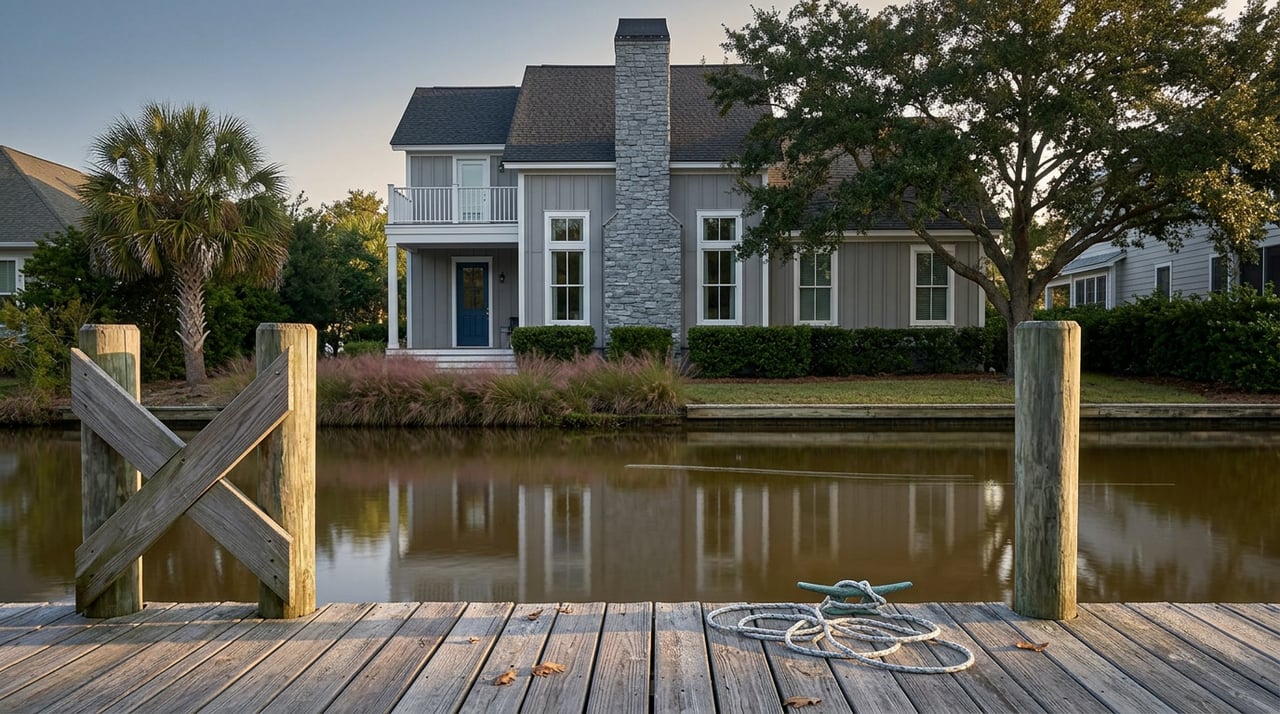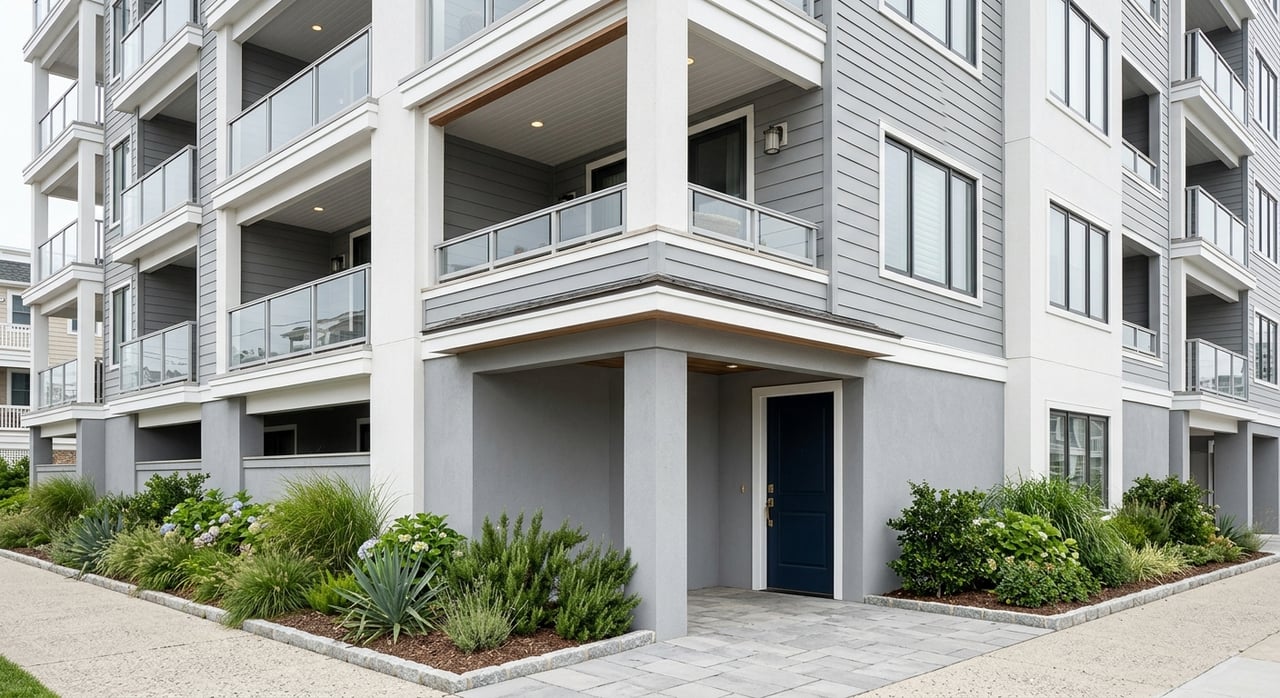
Thinking about buying a property in Orange Beach for short-term rental income? This is where many buyers get tripped up. A home or condo can look like a perfect vacation rental online, but that does not mean it is allowed, licensed, or practical to operate that way.
If you are comparing second homes, investment condos, or near-beach houses, you need clear answers before you close. Below, you will find a straightforward breakdown of how short-term rental rules work in Orange Beach, what to verify, and where buyers most often make mistakes. Let’s dive in.
How Orange Beach Defines a Short-Term Rental
In Orange Beach, a vacation rental is generally a one-family or two-family residential dwelling rented for 14 consecutive days or less. The city treats this as a regulated use, not something automatically allowed everywhere.
That definition matters because not every property marketed for visitors falls into the same category. The city’s code separates vacation rentals from hotels, motels, condotels, and similar lodging types, so buyers should not assume the same rules apply across all property styles.
Hosted vs. Non-Hosted Rentals
Orange Beach also distinguishes between hosted and non-hosted stays. Hosted accommodation means the owner or another lawful occupant stays in the unit during the renter’s visit. Non-hosted accommodation means the unit is rented without the owner, authorized agent, or lawful occupant present.
The city also recognizes an authorized agent. That is someone the owner appoints in writing to manage the property and receive notices, which is especially important if you will not live nearby.
Bedroom Count Affects Occupancy
One detail buyers often miss is that occupancy limits are tied to bedroom count. Orange Beach defines a bedroom using code standards like minimum size, egress, ceiling height, window size, heating, and smoke detection.
That means a bonus room or bunk area advertised as a bedroom may not count as one for licensing or occupancy. If rental income depends on sleeping capacity, this is worth confirming early.
Why Zoning Is the First Check
In Orange Beach, zoning is one of the biggest pieces of the puzzle. The city points buyers to its vacation-rental regulations and map, but it also states that the map is only a general representation and must be independently verified.
In plain terms, you should treat the map as a starting point, not a final answer. A property’s parcel, zoning district, and overlay status all need to be confirmed before you rely on short-term rental plans.
Parcel-by-Parcel Verification Matters
The city’s vacation-rental framework points to specific zoning districts, including RS-1, RS-2, RS-3, and MHS, while excluding the beach overlay district from that vacation-rental property definition. Because rules can turn on the exact parcel, two nearby properties may not be treated the same way.
You should also confirm whether the property is inside the city limits. The city’s vacation-rental license article says it does not apply in the police jurisdiction, which adds another reason to verify location details before closing.
Some Properties May Be Grandfathered
Orange Beach’s 2018 zoning amendment created an important category for some older rental properties. If a property was lawfully operating as a short-term rental business in certain RS or MHS districts when that ordinance took effect and the owner applied within the required 90-day period, it could be treated as a legally nonconforming use.
That status can matter a lot for buyers. The same ordinance also says legally nonconforming vacation-rental structures cannot get building permits for additional sleeping rooms or more sleeping-room floor area, so expansion potential may be limited.
Licensing Rules Buyers Need to Know
If a property will operate as a vacation rental in Orange Beach, the city requires a vacation-rental license before operation. This is not a casual registration process. It includes documentation that helps the city confirm the property’s layout, access, and compliance.
The application requires owner and agent contact information, a to-scale floor plan, a site plan showing parking and trash enclosures, an affidavit of code compliance, and a 24/7 contact number. The license fee is $500, and the application is reviewed by the city’s directors of community development and finance.
Operating a Rental Comes With Ongoing Rules
Getting licensed is only part of the process. Orange Beach also requires each license to be posted with the city’s good-neighbor brochure, and the city may inspect the property with 24 hours’ written notice.
The written rental agreement must include the renter’s name, age, and address. It also must address occupancy, noise, parking, acknowledgment of the brochure, and the renter’s responsibility for occupants and guests.
Fast Response Is Required
Orange Beach requires the owner or authorized agent to be reachable 24/7. The code also says the owner or agent must respond within 30 minutes after a complaint is reported.
For out-of-town buyers, this is a major operational issue. If you do not plan to self-manage locally, you need a workable plan in place before the first booking.
Orange Beach Occupancy Limits Explained
Occupancy in Orange Beach is not just a marketing choice. The city uses a bedroom-based overnight occupancy table, and the number of overnight occupants and guests must stay within that limit.
Here is the current occupancy table the city uses:
| Bedrooms | Overnight Occupancy |
|---|---|
| Studio or 1 bedroom | 2 |
| 2 bedrooms | 4 |
| 3 bedrooms | 6 |
| 4 bedrooms | 8 |
| 5 bedrooms | 10 |
| 6 bedrooms | 12 |
The code also allows two children age 14 or under in addition to those limits. For buyers comparing projected rental income across units, legal occupancy can directly affect booking strategy and expected revenue.
Business Licenses and Lodging Taxes
Orange Beach vacation-rental owners also need to think beyond zoning and occupancy. The city requires a business license for anyone doing business in the city, including rental activity.
Importantly, the city says the owner is responsible for that business license even if a management company handles the rental. Business licenses are issued annually, and the city routes applications and renewals through its OpenGov portal.
Lodging Tax Adds Another Layer
According to the city, the current total lodging tax rate is 16%. That total includes 10% city, 4% state, and 2% Baldwin County lodging tax.
The city also states that the lodging tax base includes the rental rate, cleaning fee, and parking passes if applicable. Alabama’s Department of Revenue says lodgings tax applies to accommodations furnished for less than 180 days, and for some platform-booked stays, a third-party platform may remit all state and local lodgings tax for those transactions.
Condo Rules Can Override Buyer Expectations
If you are buying a condo in Orange Beach, the city’s rules are only one layer. Alabama condominium law allows condo declarations to include restrictions on use, occupancy, and leasing, and those restrictions are enforceable.
That means a condo association may ban short-term rentals, limit them, require minimum stays, or impose approval and registration procedures even if city zoning would otherwise allow the use. For condo buyers, association documents should be part of your due diligence from the beginning, not something you review at the end.
What to Review Before Closing
Before you buy, it helps to confirm all three decision layers:
- The parcel’s zoning and overlay status
- Whether the property is inside Orange Beach city limits
- Whether the use is currently permitted or grandfathered as a legally nonconforming use
- Condo or HOA rental rules in writing
- Who will handle 24/7 guest contact and complaint response
- Whether the bedroom count aligns with city code standards for occupancy
This process may feel detailed, but it can help you avoid buying a property that looks rentable in marketing materials but does not work the way you expect in practice.
What This Means for Buyers in Orange Beach
Short-term rental shopping in Orange Beach is not just about finding the nicest view or the strongest income projection. It is about matching your goals to a property that fits the city’s zoning rules, the building’s governing documents, and the day-to-day licensing requirements.
If you are buying for personal use plus rental income, or purely for investment, careful due diligence can save you time, money, and stress. The smartest move is to verify the details before you write your strategy around them.
When you want a local guide who can help you think through Orange Beach condos, beach-area homes, and vacation-rental opportunities with clear, practical insight, connect with Hunter Brown.
FAQs
What counts as a short-term rental in Orange Beach?
- In Orange Beach, a vacation rental is generally a one-family or two-family residential dwelling rented for 14 consecutive days or less, subject to the city’s vacation-rental rules.
Are short-term rentals allowed everywhere in Orange Beach?
- No. Orange Beach regulates vacation rentals by zoning and parcel, and the city says its vacation-rental map is only a general representation that should be independently verified.
Do Orange Beach condos automatically allow short-term rentals?
- No. A condo association may restrict or prohibit short-term rentals through its declaration, bylaws, or rules, even when city zoning may otherwise allow the use.
Does an Orange Beach vacation rental need a license?
- Yes. The city requires a vacation-rental license before operating a vacation-rental business, and the application includes floor plan, site plan, contact, and compliance information.
What are the occupancy limits for Orange Beach short-term rentals?
- Orange Beach uses a bedroom-based occupancy table, ranging from 2 occupants for a studio or 1-bedroom unit up to 12 occupants for a 6-bedroom unit, plus two children age 14 or under.
Do short-term rental owners need a business license in Orange Beach?
- Yes. The city requires a business license for rental activity, and it states that the owner remains responsible even if a management company handles the rental.
What is the lodging tax rate for Orange Beach rentals?
- The city says the current total lodging tax rate is 16%, made up of 10% city, 4% state, and 2% Baldwin County lodging tax.
What should buyers verify before purchasing a vacation rental in Orange Beach?
- Buyers should verify zoning and overlay status, city-limit location, condo or HOA rental rules, occupancy details tied to bedroom count, licensing requirements, and who will handle 24/7 local response.