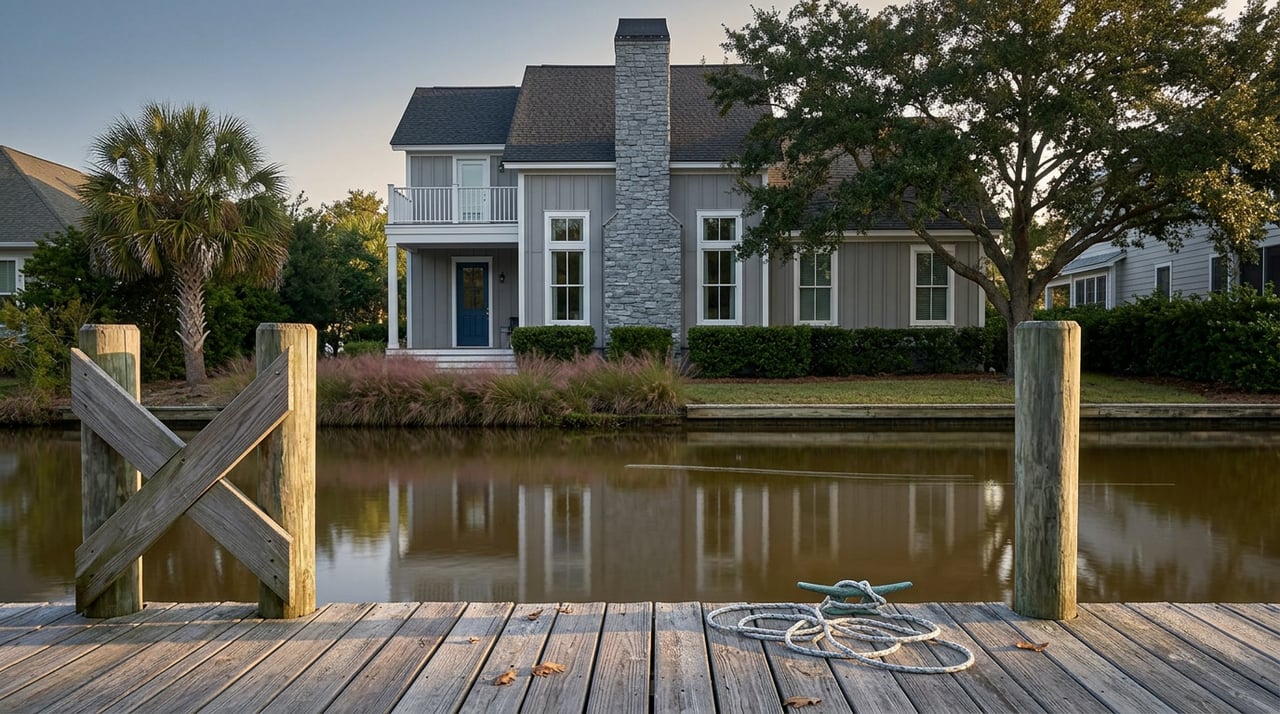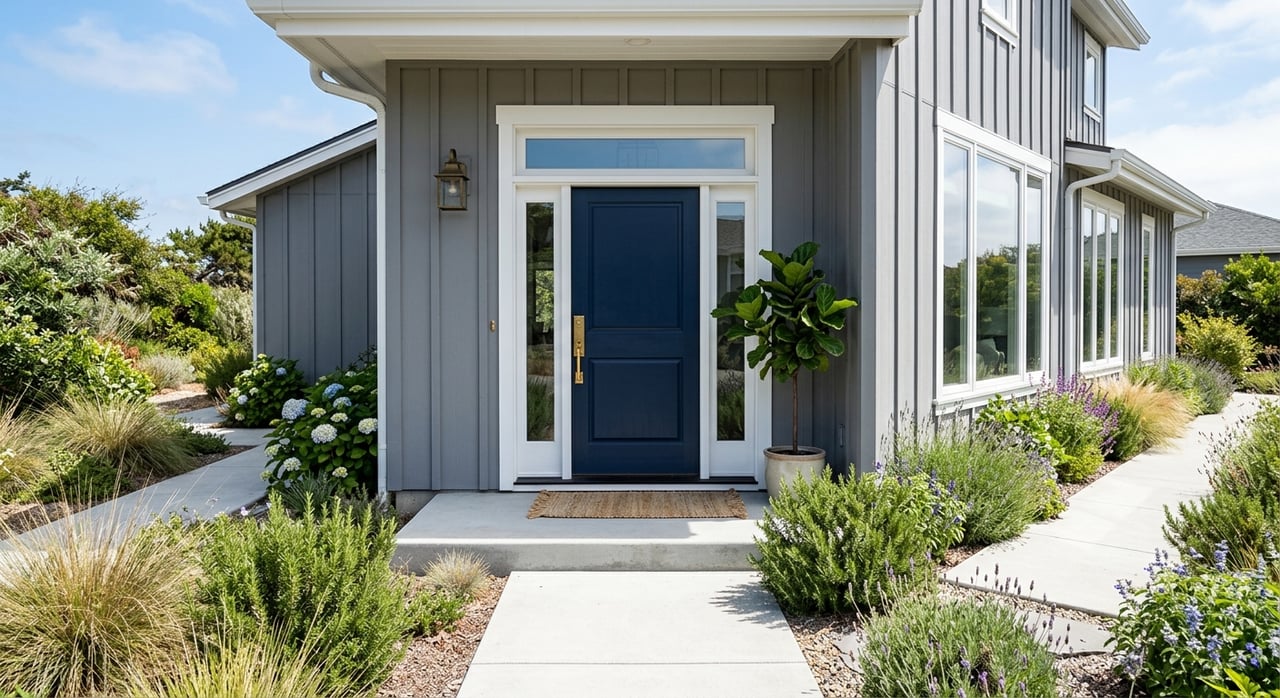
Spring can feel like the perfect time to list your Gulf Shores home, but timing alone will not do the heavy lifting. In a coastal market, buyers notice presentation fast, and Gulf weather can make small maintenance issues look bigger than they are. If you want to stand out this season, you need a plan that fits both the local market and the realities of owning near the water. Let’s dive in.
Why spring prep matters in Gulf Shores
Gulf Shores has a humid subtropical climate, with Gulf moisture, mild winters, hot summers, and year-round precipitation. NOAA also notes that the Gulf helps moderate temperatures along the coast, while coastal Alabama continues to face sea-level-rise pressure. On top of that, the National Weather Service office in Mobile says severe thunderstorms can happen any time of year, with the main severe-weather period running from March through May.
That is why spring prep should start early. If you wait until humidity climbs and storms become more frequent, exterior cleaning, repairs, and photography can get harder to schedule and maintain. A polished home in early spring often has a better chance to make a strong first impression.
Know the current Gulf Shores market
Spring usually brings more housing activity, and pending sales often rise in March and peak in June nationally. Even so, Gulf Shores and Baldwin County are currently leaning toward buyers rather than sellers. Homes in Gulf Shores are taking about 73 to 75 days to sell, while Baldwin County is closer to 67 days, and sale-to-list ratios are running around 96% to 97%.
That matters for your strategy. In a buyer-leaning market, strong presentation and realistic pricing matter more than assuming spring demand will solve everything. Buyers have options, so your home needs to feel well cared for and priced with discipline.
Start with coastal curb appeal
Your exterior is the first thing buyers see, and in Gulf Shores, coastal wear can show up quickly. Moisture control is especially important because the Alabama Department of Public Health advises keeping indoor relative humidity below 60% most of the year, and moisture is central to preventing mold. Before listing, make time for a thorough exterior refresh.
Focus on the basics first:
- Pressure-wash siding, walkways, and hard surfaces
- Clean windows and screens
- Clear gutters and downspouts
- Refresh mulch and tidy planting beds
- Check drainage around the foundation
- Remove clutter from porches, patios, and entry areas
Then look for small cosmetic issues that stand out in a beach market. Peeling paint, cracked caulk, rusty fixtures, and worn screens can make buyers wonder what else has been overlooked. These may seem minor, but together they can affect how cared-for the home feels.
Check permits before major repairs
Not every pre-listing repair is just a weekend project. The City of Gulf Shores requires permits for many construction and repair activities, including roofing, siding replacement, fences, general renovations, and separate electrical, plumbing, mechanical, or gas work. The city also has special procedures for work in a Special Flood Hazard Area and for gulf-front lots.
If your project affects coastal resources, there may be added review through ADEM’s Coastal Program. That can apply to certain beach and dune construction, wetland filling, and related activities. Before you start anything bigger than cosmetic touch-ups, confirm whether a permit is required.
Tackle moisture and HVAC issues first
In Gulf Shores, moisture-related issues should move to the top of your prep list. The EPA says mold will not grow without moisture, and the Alabama Department of Public Health points to common sources such as roof leaks, plumbing leaks, condensation, poor bath and kitchen venting, and dryer exhaust that is not vented outdoors. If buyers notice musty air, damp spots, or signs of old leaks, confidence can drop quickly.
A smart pre-listing checklist includes:
- Service the HVAC system
- Replace HVAC filters
- Check condensate drainage
- Make sure bath fans work properly
- Confirm the dryer vents outdoors
- Repair roof leaks or plumbing leaks
- Address recurring damp areas before photos and showings
The EPA also advises not to run an HVAC system if you know or suspect it is contaminated with mold, because it can spread spores through the home. If mold covers more than about 10 square feet or there has been significant water damage, it is better to bring in a professional.
Consider a pre-sale inspection
A pre-sale inspection can be a smart move before your home hits the market. The National Association of Realtors recommends considering one as part of the listing prep process, and in a market where buyers have leverage, fewer surprises can make negotiations smoother.
In Alabama, the Alabama Real Estate Commission says caveat emptor applies to existing homes. In general, sellers and seller’s agents are not required to volunteer defects unless asked, except for issues that pose an immediate health or safety risk. Even with that framework, having an inspection and organized repair history can help you answer questions clearly and avoid last-minute stress.
Stage for a bright, airy coastal feel
Staging helps buyers picture the home as their future property, and NAR’s 2025 staging research says it can influence both buyer interest and perceived value. Buyers’ agents most often point to the living room, primary bedroom, and kitchen as key spaces to stage. Photos, traditional staging, video, and virtual tours are also seen as highly valuable listing tools.
For a Gulf Shores home, the goal is usually simple and fresh. Think bright rooms, less visual clutter, open blinds, clean glass, and easy access to outdoor living spaces. You do not need heavy beach décor to sell a coastal home. In many cases, a cleaner, lighter look does more to help buyers focus on the home itself.
Focus on the rooms that matter most
If you are deciding where to spend time and money, start with the spaces buyers notice first. Your living room, kitchen, and primary bedroom should feel open, clean, and functional. These rooms often carry the emotional weight of a showing.
A few simple updates can go a long way:
- Use neutral bedding and towels
- Remove excess personal items
- Clear kitchen counters except for a few intentional accents
- Open blinds and curtains for natural light
- Clean mirrors and glass thoroughly
- Arrange furniture to improve flow and make rooms feel larger
If your home has a patio, screened porch, balcony, or other outdoor space, make sure it feels usable. In Gulf Shores, indoor-outdoor living can be a strong part of the story your listing tells.
Wait to list until everything is ready
It can be tempting to list as soon as spring arrives, but rushing often works against you. In this market, it makes more sense to go live after repairs, cleaning, staging, and photography are complete. A home that debuts in polished condition is better positioned than one that needs updating after it is already active.
This is especially important when local sale-to-list ratios are around 96% to 97%. Buyers are negotiating, and first impressions matter. A strong launch can help protect your pricing position and reduce the chance that the home sits while you fix preventable issues.
Price with the market you have
As of March 2026, Gulf Shores had a median listing price around $531,000 and a median sold price around $457,500. Median days on market were about 73 to 75 days, and the sale-to-list ratio was about 96%. Baldwin County showed a similar pattern, with a median listing price around $489,000, median days on market around 67, and sale-to-list around 97%.
The takeaway is simple: price for current conditions, not just for peak-season hopes. Buyers are active in spring, but they are also comparing value carefully. A well-prepared home with a realistic asking price has a better shot at attracting serious interest early.
Gather your paperwork before showings
A smooth sale often starts with good records. Before listing, gather permits, contractor receipts, warranty information, and service records for the HVAC, roof, and any major repairs. This paperwork helps you respond faster when buyers ask questions.
That matters in Gulf Shores because local permit rules can apply to many common projects, especially on coastal or flood-sensitive properties. Organized records also support a cleaner transaction if questions come up during inspection or negotiation.
Do not overlook lead-based paint rules
If your home was built before 1978, there are federal lead-based paint rules that apply before a buyer signs a contract. Sellers must provide any known information about lead-based paint and hazards, share available records and reports, provide a lead warning statement and pamphlet, and allow the buyer a 10-day opportunity for a lead inspection unless that period is changed or waived in writing.
If you are planning repairs or updates that disturb painted surfaces in a pre-1978 home, lead-safe work practices may also apply. This is one area where early preparation can save time once your home is on the market.
The bottom line for a Gulf Shores spring sale
Getting your Gulf Shores home ready for a spring sale is about more than fresh flowers and better weather. You need to think like a coastal seller, which means staying ahead of moisture issues, handling visible wear, preparing for buyer questions, and launching with strong photos and realistic pricing. In today’s market, that kind of preparation can make a real difference.
If you want a clear plan for timing, pricing, and presentation, working with a local agent who understands Gulf Coast conditions can help you avoid costly guesswork. For personalized guidance on preparing your home for the spring market, connect with Hunter Brown.
FAQs
What should Gulf Shores sellers fix before listing in spring?
- Gulf Shores sellers should focus first on moisture-related issues, HVAC maintenance, leaks, drainage, worn exterior finishes, and any small cosmetic repairs that affect first impressions.
How long does it take to sell a home in Gulf Shores?
- Recent local market data shows Gulf Shores homes taking about 73 to 75 days to sell, which means smart pricing and polished presentation are especially important.
Do I need permits for repairs before selling in Gulf Shores?
- Gulf Shores requires permits for many types of work, including roofing, siding replacement, fences, renovations, and certain electrical, plumbing, mechanical, and gas projects.
Is staging worth it for a Gulf Shores home sale?
- Staging can help buyers picture the home more clearly, and it is especially useful in key spaces like the living room, kitchen, and primary bedroom.
What documents should Gulf Shores homeowners gather before listing?
- You should gather permits, contractor receipts, warranties, and service records for major systems and repairs so you can answer buyer questions quickly and clearly.
What if my Gulf Shores home was built before 1978?
- If your home was built before 1978, federal lead-based paint disclosure rules apply, including providing known information, available records, and an opportunity for a lead inspection before contract completion.